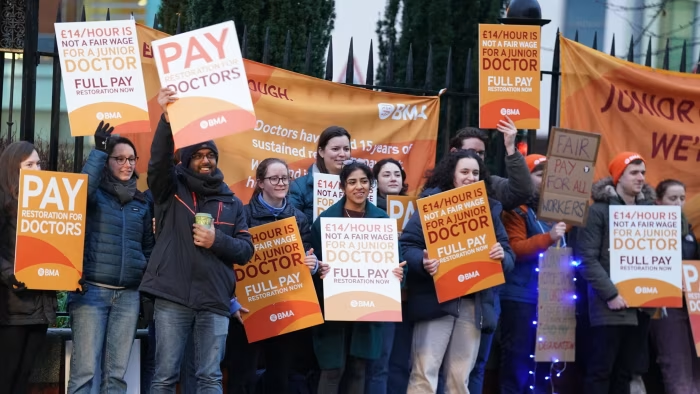
Junior doctors in England today begun a five-day strike—11th walkout so far in their long-running dispute over pay. According to report, the latest action came amid heightened pressure on the NHS due to the hottest week of the year, a recent cyberattack on London hospitals, and major events such as Glastonbury and the London Pride march.
NHS England has issued warnings for disruption in routine hospital services, urging the public to use the health service responsibly. Senior doctors are asked to cover for striking junior doctors, who make up nearly half of the medical workforce in the NHS and are largely represented by the British Medical Association (BMA).
Amanda Pritchard, head of NHS England, warned about the added pressure on hospitals due to the strike and the hot weather, stating that it is likely heat-related issues will exacerbate the strain on an already fragile system.
The BMA has stated that the strike is due to the absence of a credible new pay offer since their last walkout in February. The union is demanding a 35% pay rise to compensate for what it claims are 15 years of below-inflation pay increases. Junior doctors received an average pay rise of nearly 9% last financial year, but the BMA walked out of talks that included an additional 3% increase.
In response to the latest strike, Labour leader Sir Keir Starmer has used his strongest language to address the pay demands. He said, “We’re not going to pay 35%, we’ve told them that upfront. They know that.” He emphasized the need for negotiations but was clear that the 35% demand was off the table.
The timing of the strike— week leading up to a general election— has added to the political tension surrounding the dispute. The NHS Confederation criticized the timing, said that striking during an election campaign, when political parties are unable to resolve the issue, was a “bitter pill to swallow.”
In responded to Sir Keir’s comments, BMA junior doctors committee co-chairs Dr. Robert Laurenson and Dr. Vivek Trivedi said “Throughout this dispute, we’ve only ever said that junior doctors should not be paid less than they were 15 years ago, but that this does not have to be awarded all at once.”
Sir Keir Starmer has insisted that any further investment in the NHS under Labour would be linked to the country’s financial growth, aiming to fund public services like healthcare without raising taxes. He has criticized the low growth over the past 14 years and stressed the importance of making tough decisions to address it.
About Author





Leave a Reply