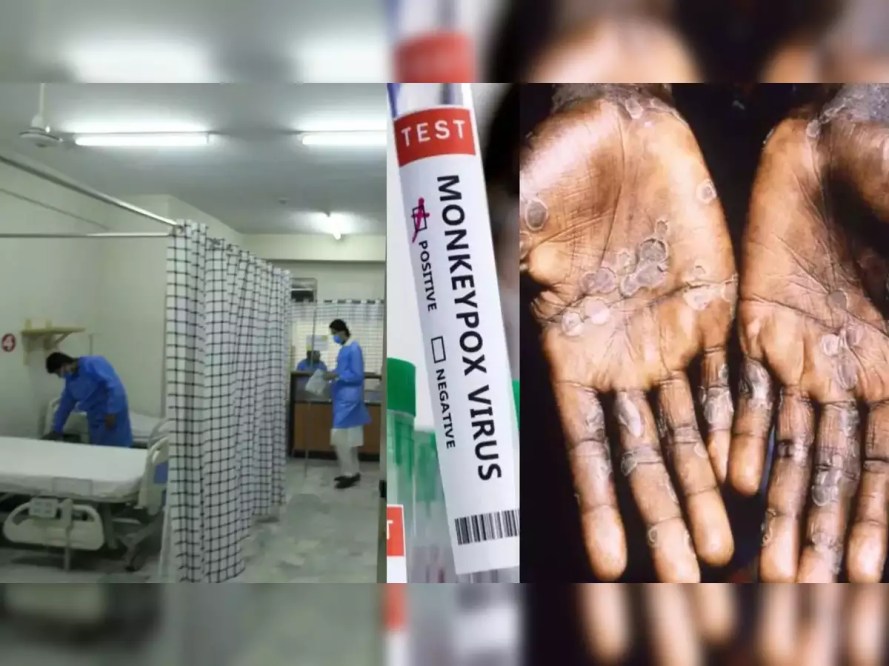
Thailand has detected its first case of the newly mutated mpox virus, designated clade 1b. This case, confirmed in a European male who recently traveled from Africa to Bangkok, comes on the heels of the World Health Organization (WHO) declaring the mpox outbreak in Africa a global health emergency. As the infection spreads to more countries, the implications for public health systems worldwide are profound.
The Arrival of Clade 1b
The patient tested positive for clade 1b, a strain that has recently emerged as more virulent and harder to detect than its predecessors. The Thai health ministry reported that 43 close contacts of the patient are now under surveillance. “Authorities have taken swift action to monitor those potentially affected, reflecting the lessons learned from the COVID-19 pandemic,” said a health official.
According to reports, as of now, Africa is grappling with an alarming outbreak of mpox, with 14 countries reporting approximately 14,000 cases and 524 deaths. Clade 1b, which was first reported in the Democratic Republic of the Congo in 2023, is linked to a mortality rate of about 3.6 percent, particularly affecting vulnerable populations, including children.
The Global Response
The recent rise in mpox cases has drawn comparisons to the early days of the COVID-19 pandemic. Last week, the WHO’s declaration of a global public health emergency underscored the urgency to address the spread of this infectious disease. With cases now reported in countries like Sweden, Pakistan, and the Philippines, the potential for mpox to become a global concern is rising. “It’s only a matter of time before mpox cases increase across the Indo-Pacific,” a WHO spokesperson cautioned.
While mpox has historically been rare outside of Africa, its recent global surge, especially among men who have sex with men, indicates a change in transmission dynamics that mirrors patterns seen during the COVID-19 crisis. The emergence of the clade 1b strain in Sweden is particularly concerning, as it marks the first detection of this variant outside Africa.
Challenges for Healthcare Systems
The healthcare systems in countries experiencing this surge face numerous challenges, particularly in the wake of COVID-19. Thailand’s health infrastructure, which has been strained by the pandemic, is now tasked with effectively managing and monitoring mpox cases. The rapid spread of this virus raises questions about the preparedness and resilience of public health systems worldwide.
“The current outbreak serves as a reminder of the vulnerabilities exposed by the COVID-19 pandemic,” said a public health analyst. “Countries must enhance their surveillance and response capabilities to mitigate risks associated with mpox and other emerging infectious diseases.”
The Importance of Vaccination and Public Education
Vaccination strategies are critical in managing the mpox outbreak, particularly given the historical context of its two primary clades: clade 1, endemic to Central Africa, and clade 2, linked to the global outbreak that began in 2022. Vaccines such as JYNNEOS and ACAM2000, initially developed for smallpox, are expected to provide cross-protection against mpox. However, specific efficacy data for the new clade remains limited.
In light of the ongoing outbreak, public health education becomes increasingly important. “Communities must be informed about the modes of transmission and prevention strategies to curb the spread of this disease,” emphasized a health education specialist. “Avoiding contact with infected individuals, maintaining good hygiene practices, and securing vaccination where available are critical steps.”
Moving Forward
As Thailand navigates its first confirmed case of clade 1b, the global healthcare landscape must prepare for the potential implications of mpox. The lessons learned from the COVID-19 pandemic should inform strategies for outbreak containment, emphasizing the need for clear communication, robust surveillance, and equitable access to healthcare resources.
“Effective responses require clear, empathetic communication to build trust and reduce stigma around the disease,” the health official stated. The situation calls for vigilance and collaboration across health agencies to ensure that mpox does not spiral into a larger public health crisis, especially as nations continue to recover from the impacts of COVID-19.
The emergence of mpox, particularly its new variants, poses a critical test for public health systems worldwide. The swift response from Thai health authorities is a positive step, but sustained efforts are essential to prevent further spread and protect vulnerable populations. As the situation evolves, the global community must remain alert, informed, and ready to act.
About Author





Leave a Reply