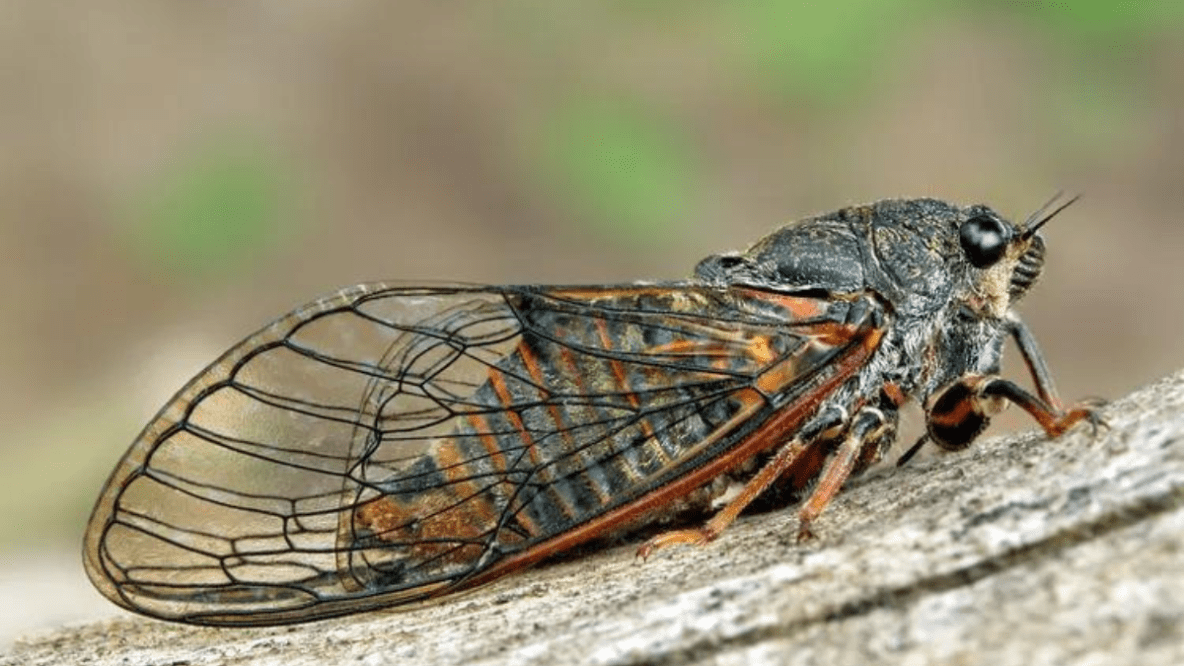
Thanks to an ambitious reintroduction project by conservationists that once again in decades, the sound of cicadas could once again fill the air in the UK. The New Forest cicada (Cicadetta montana), last seen in Britain in the 1990s, is set to be reintroduced this summer in a bid to revive the country’s only native cicada species, according to reports.
The species, once common across the New Forest National Park, disappeared due to habitat loss. The insect’s elusive nature – its camouflaged appearance and near-inaudible mating call – makes it particularly difficult to study, while its nymphs spend years underground feeding on plant roots before emerging.
In an effort to restore the species, scientists from the Species Recovery Trust (SRT), supported by Natural England, will travel to Slovenia this June. There, they hope to collect ten cicadas – five males and five females – from a thriving population of the Cicadetta montana subspecies. These insects will be transported to Paultons Park, a zoo and theme park on the edge of the New Forest in Hampshire, where they will be housed in a specially prepared habitat of hazel and hawthorn saplings and purple moor grass.
If successful, female cicadas will lay hundreds of eggs in the twigs of the saplings. Once hatched in November, the nymphs, smaller than grains of rice, will burrow underground, where they will remain for six to eight years, feeding on the sap from plant roots.
By January, Charlotte Carne, the project lead from the SRT, will plant some of the saplings in secret locations across the New Forest, with others remaining at Paultons Park to establish a captive breeding population as a backup. The long wait begins after that, with results expected by 2030.
“The New Forest cicada has a real intrinsic value as the only cicada species native to the UK. I want my children to be able to walk through the forest in 10 or 20 years and hear them,” said Carne.
About Author




Leave a Reply