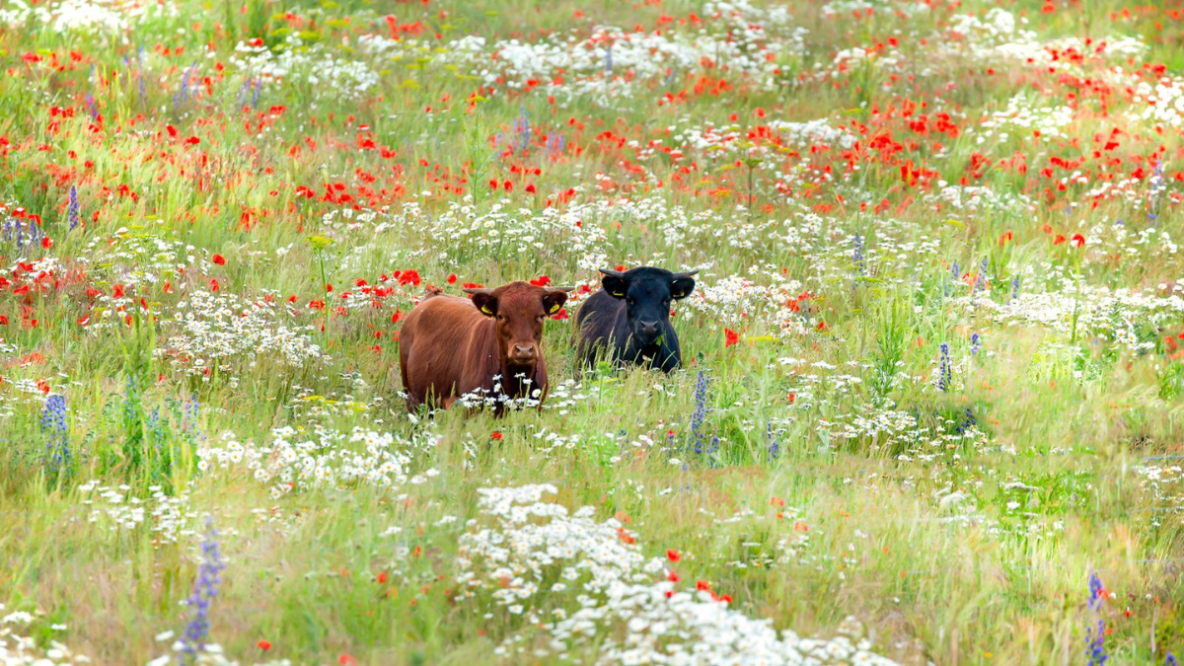
Farmers across the UK are raising alarms about an unintended consequence of the government’s push for environmentally friendly farming practices. They warn that these investments could inadvertently increase the value of their farmland, exposing them to higher inheritance tax liabilities.
The controversy stems from the government’s 20% inheritance tax on farms valued above £1 million. While ministers defend the levy, citing a £5 billion investment in sustainable food production and nature recovery, farming groups argue that the policy could force farmers to sell land to cover the tax burden.
Cambridgeshire farmer Martin Lines, chief executive of the Nature Friendly Farming Network, described the predicament as a “catch-22.” He said, “They are now caught between investing in long-term sustainability or holding back on improvements to avoid triggering future tax liabilities. In a sector that thrives on long-term planning, this kind of uncertainty could stall progress on the very climate and nature restoration goals that are vital for the future of farming and food security.”
The government has been encouraging farmers to adopt greener practices, such as planting hedgerows and rewilding farmland, through public funding and private investment. Initiatives like the biodiversity net gain requirement for new developments, which mandates a 10% improvement in wildlife habitats, have also driven private firms, including developers and wildlife charities, to invest in farmland.
While these measures align with sustainability goals, they have also pushed up land values. Since inheritance tax is calculated on the market value of the farm, including land, buildings, machinery, and livestock, many farmers worry that green investments could lead to hefty tax bills.
The government argues that most farmers will remain exempt from inheritance tax until their farm’s value surpasses £3 million, a threshold that doubles for jointly owned farms. However, many farmers dispute this, saying the £1 million benchmark is far more relevant given the current market value of most farms.
Lines, a third-generation farmer, noted that this uncertainty is prompting hesitation among many in the sector. He explained, “For the many tens of thousands of farmers who are not nature-friendly or [do not] see the benefits of investing in that, why would they go to all these difficult changes?”
Criticism has also poured in from the Conservative Party. Shadow Farming Minister Robbie Moore accused the Labour government of being out of touch with rural realities. He remarked, “Farming businesses, like other businesses, need to plan ahead. This Labour government seems intent on making sure they can’t do that, by ripping the carpet out from under them… This is what farmers are having to put up with from a city-dwelling government that just doesn’t get it, or care. It’s a disgrace.”
As the debate continues, farmers are calling for clearer policies to ensure that sustainability goals don’t come at the cost of their financial stability. The dilemma underscores the complexities of aligning environmental priorities with economic realities in one of the UK’s most vital sectors.
About Author



Leave a Reply