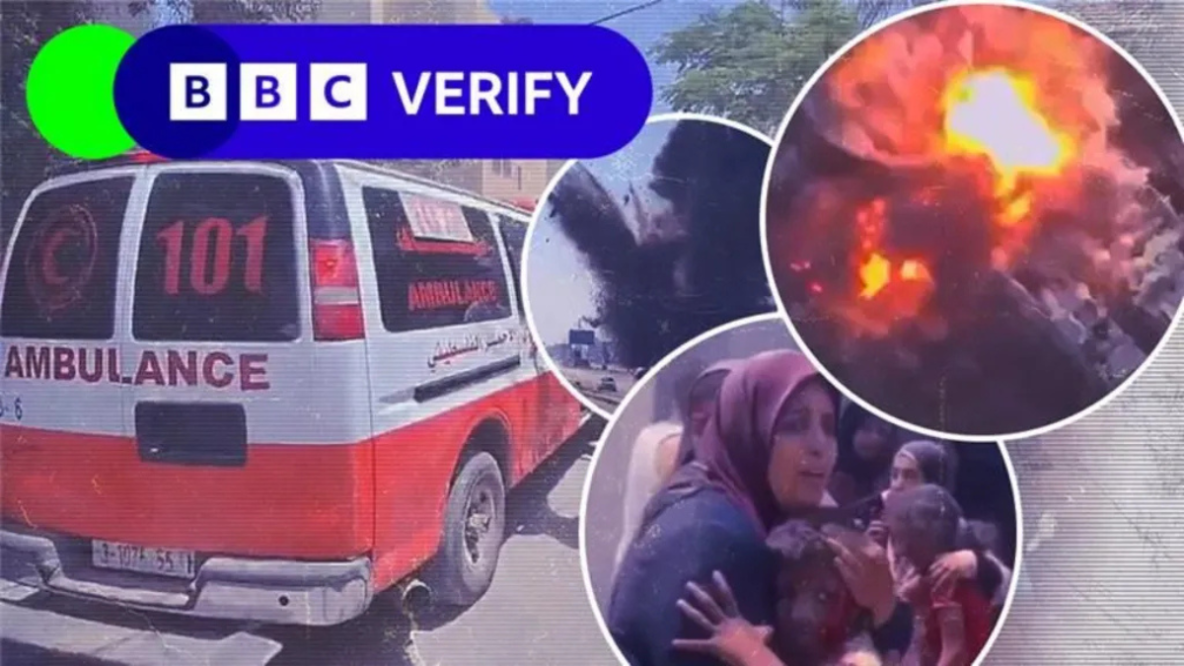
In the midst of escalating tensions and hopes for a ceasefire, Gaza’s designated “humanitarian zone” has been hit by 97 strikes since May, as revealed by BBC Verify analysis. This zone, established by the Israel Defense Forces (IDF) in October 2023 and expanded in May 2024 to include Khan Younis and Deir al-Balah, was intended as a refuge for civilians amid ongoing conflict. However, local reports indicate that over 550 people have died in these strikes, highlighting the fragility of this supposed sanctuary.
Negotiations for a ceasefire between Israel and Hamas appear to be advancing, with mediators in Qatar indicating that talks are in their final stages. Despite these developments, the densely populated zone—housing more than a million people living in makeshift tents with limited access to aid—continues to experience daily bombardments.
The IDF maintains that its operations target Hamas fighters exploiting civilians as human shields, with an aim to dismantle terror infrastructures. However, the strikes have drawn sharp criticism from humanitarian organizations. Gavin Kelleher of the Norwegian Refugee Council described the zone as subject to “near daily” attacks, undermining its humanitarian intent. “Heavy fire is recurrent in this area despite its [Israel’s] unilateral ‘humanitarian’ designation,” Kelleher said, questioning the IDF’s commitment to maintaining a genuine safe zone.
Residents like Khaled Abdel Rahman voice the harrowing reality of life within the zone. “We were displaced to Khan Younis because it was designated as a safe zone, but in fact, we find nothing here but insecurity,” Rahman shared, encapsulating the pervasive fear and uncertainty.
BBC Verify’s efforts to track these attacks have faced limitations, with reliance on social media and reports from within Gaza due to restricted access for foreign journalists. Their analysis revealed intensified strikes since May, with more than 22 incidents recorded this month alone. Although the IDF has publicly acknowledged only 28 attacks, the scale of destruction—documented through over 300 videos and photos—paints a grim picture of civilian casualties and widespread devastation.
The IDF has been reticent to use the term “safe zone,” yet its statements have led civilians to interpret the “humanitarian zone” as such. Evacuation notices have repeatedly shifted the zone’s boundaries, causing confusion and fear among residents. The UN and international organizations continue to assert that no area in Gaza can be deemed truly safe under these circumstances. Juliette Touma of the UN agency for Palestinian refugees reiterated this, stating, “We have said it so so many times. There is no safe zone in Gaza. No place is safe. No-one is safe. No place is spared.”
About Author




Leave a Reply