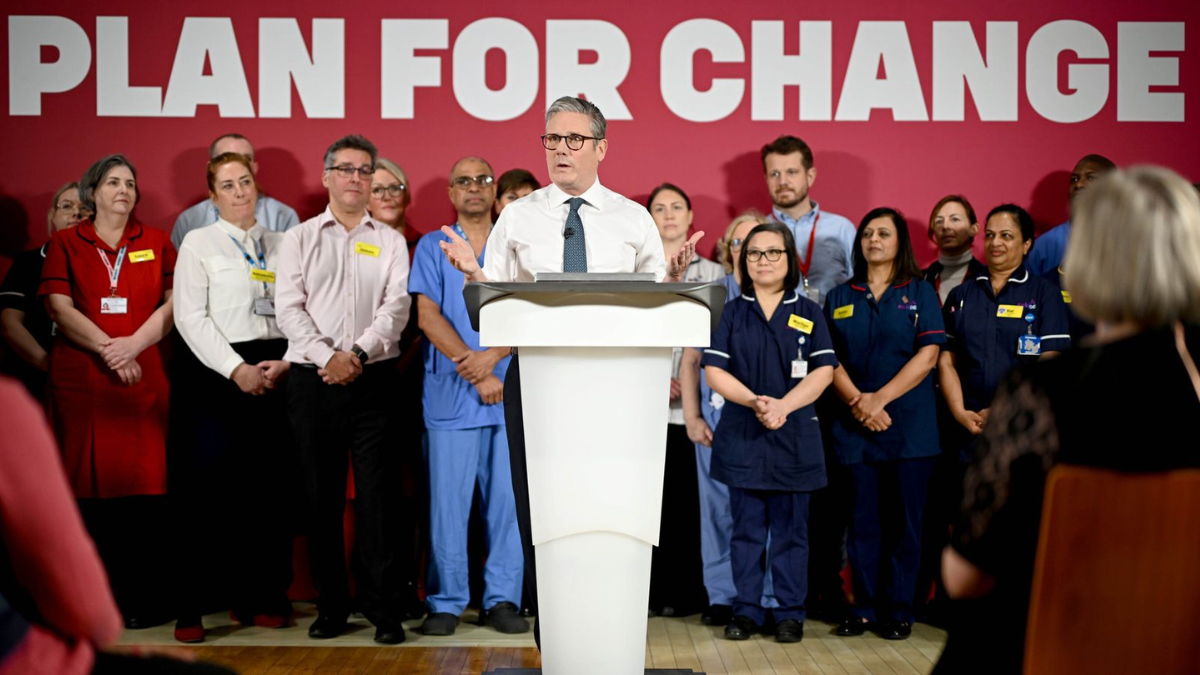
The UK government has reached a major milestone in its efforts to overhaul the NHS, with new figures revealing an additional 2.2 million elective care appointments delivered within Labour’s first five months in office. The increase, recorded between July and November 2024, fulfills the party’s manifesto promise seven months ahead of schedule.
Prime Minister Sir Keir Starmer described the achievement as “a shot in the arm for our plan to get the NHS back on its feet and cut waiting times.” He added, “Two million extra NHS appointments and a waiting list on its way down – we’re delivering on our promise to fix the NHS and make sure people get the care they need, when they need it.”
Elective care, which includes surgeries, cancer treatments, diagnostic tests, and outpatient consultations, saw a significant rise in appointments, partly due to extended evening and weekend shifts. The Department of Health and Social Care attributed the improvement to ending NHS strikes, expanded flu vaccination efforts, and a £1.8 billion investment in elective services.
While the figures suggest a positive trend, challenges remain. NHS waiting lists dropped in December for the fourth consecutive month, with 7.46 million treatments pending at the end of the year, a slight decrease from 7.48 million in November. However, hospitals continue to struggle with emergency care demands. In January, over 60,000 patients faced “trolley waits” exceeding 12 hours after being admitted from A&E, a stark contrast to pre-pandemic levels when such delays were rare.
Health Secretary Wes Streeting emphasized the government’s commitment to sustained improvement, said, “We have wasted no time in getting to work to cut NHS waiting times and end the agony of millions of patients suffering uncertainty and pain. Because we ended the strikes, invested in the NHS, and rolled out reformed ways of working, we are finally putting the NHS on the road to recovery.”
Additional reforms are on the horizon, including new surgical hubs, expanded diagnostic centers, and increased use of private sector capacity to meet the NHS standard of treating 92% of patients within 18 weeks. The government has also unveiled a £40 million incentive fund for NHS trusts that achieve the most progress in reducing backlogs, with further details on allocations expected in the coming months.
Despite these advances, NHS England chief Amanda Pritchard acknowledged the road ahead remains challenging, noting, “There is much more to do to slash waiting times for patients.”
A recent report from the King’s Fund think tank highlighted ongoing inefficiencies in the system, revealing that one in five patients received appointment letters after their scheduled date and nearly a quarter were unsure who to contact while waiting for care.
Liberal Democrat health spokeswoman Helen Morgan criticized the government’s broader approach, said, “Until the government gets a grip of social care, hospitals will remain overwhelmed, backlogged, and it is the patients who will pay the price. Too many people have been tragically let down and left waiting in limbo.”
As the government pushes forward with its NHS recovery plan, the next test will be whether this momentum can be sustained, particularly as broader healthcare pressures persist.
About Author





Leave a Reply